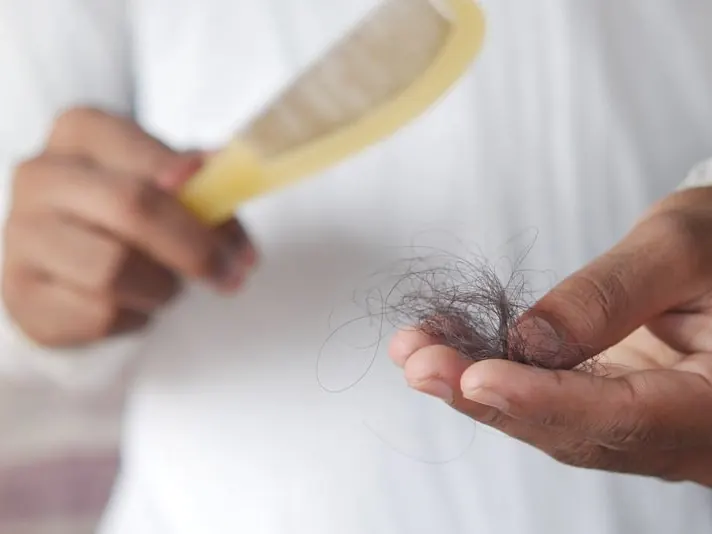
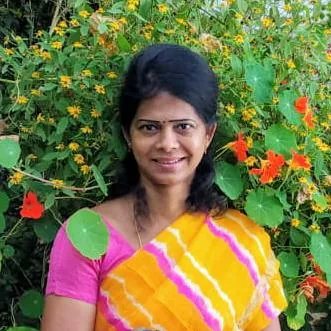
PRP hair treatment at Dr. Radhika's Skin And Laser Clinic in Battarahalli, KR Puram, costs ₹5,000 per session. Dr. Radhika, a dermatologist (MBBS, DDVL) with 27+ years of experience, first finds the cause of your hair fall, then plans PRP sessions that inject platelet-rich plasma from your own blood into thinning areas of the scalp.
Medically reviewed by Dr. Radhika, dermatologist (MBBS, DDVL) · Updated
PRP hair treatment at Dr. Radhika's clinic (prices as of )
Price
₹5,000 per session
Consultation
₹500
Your doctor
Dr. Radhika, dermatologist (MBBS, DDVL), 27+ years of experience
Sessions
Set by the doctor after examining your scalp; one patient saw thicker hair after 4
Session time
30 minutes to two hours, with the scalp numbed
First results
Usually after about three months
Uses
Your own blood, so there is no donor material
Where
21, Old Madras Road, above ICICI Bank, Battarahalli, KR Puram, Bengaluru 560049
Timings
Mon–Sat, 1–3 pm and 7–9 pm (Thursday from 12:30 pm)
What is PRP hair treatment?
PRP (platelet-rich plasma) treatment uses your own blood's plasma, injected into the scalp to support hair growth. A small amount of blood is drawn and spun in a centrifuge to concentrate the platelets, and the platelet-rich plasma is injected into areas where hair is thinning. Platelets carry growth factors, which is why PRP is used for hair loss.
Who is PRP suitable for?
PRP is used mainly for androgenetic alopecia, the common pattern hair loss in men and women, and for general hair thinning. It does not suit every kind of hair fall. Hair loss can also come from dandruff, scalp conditions, alopecia areata or other causes that need different treatment, so Dr. Radhika examines your scalp and finds the cause before recommending PRP.
Does PRP work? What the research says
Yes, PRP gives a modest, real benefit for pattern hair loss, though results vary between people. Three reviews of clinical trials, listed below, found higher hair density after PRP.
A 2024 review of randomised trials found an average gain of about 27.5 hairs per cm² compared with placebo, while noting the trials differed a lot from each other. (Kieling et al., 2024)
PRP and GFC both use your own blood and suit thinning hair. A hair transplant moves hair follicles to bald areas and suits advanced hair loss. Dr. Radhika's clinic offers all three, so the doctor can choose by the cause and stage of your hair loss.
Option
What it is
Surgery?
Usually for
PRP
Platelet-rich plasma from your blood, injected into the scalp
No, injections
Thinning hair, early pattern hair loss
GFC
Growth factors from your blood, applied to the hair roots
No
Thinning hair
Hair transplant
Hair follicles moved to bald areas (FUE, Bio-FUE, no-shave long hair)
Yes, a minor procedure
Advanced hair loss and bald patches
Side effects and safety
PRP hair treatment is low-risk. Because PRP uses your own blood, there is no risk of reacting to donor material. Reviews of clinical trials report no serious side effects. The most common effect is a mild feeling of pressure or soreness on the scalp where the injections are given. Dr. Radhika explains the risks and aftercare before your treatment.
When will you see results?
In studies, improvement was most often seen after the third month of treatment (Stevens and Khetarpal, International Journal of Women's Dermatology, 2018). PRP does not block the hormonal cause of pattern hair loss, so the same review advises continuing any hair-loss medicines alongside it, and the doctor plans repeat sessions to keep the results.
Who may not be a good candidate?
PRP is not safe or useful for everyone. Tell Dr. Radhika at your consultation if any of these apply to you:
A platelet disorder or a very low platelet count.
An infection on the scalp.
Painkillers such as ibuprofen or aspirin (NSAIDs) taken in the last 48 hours.
A steroid injection in the scalp in the last month.
Cancer, especially of the blood or bone.
These come from a clinical review of PRP for hair loss (Garg and Manchanda, Stem Cell Investigation, 2017). If your hair loss comes from another condition, such as thyroid disease, that condition needs treating first.
Before and after your session
Come with clean hair and no gels, oils or sprays on the day. Avoid painkillers such as ibuprofen or aspirin (NSAIDs) for 48 hours before, as they affect platelets (Garg and Manchanda, Stem Cell Investigation, 2017). Do not stop any prescribed medicine on your own; ask the doctor first. Mild pain, redness, swelling or a headache can follow for a short time, and Dr. Radhika gives you aftercare instructions before you leave.
Visited Radhikas skin and leser clinic in Bhattarahalli after being referred from a friend of mine for my hair loss issue. Doctor suggested few options...I picked PRP treatment ..seen dramatic improvement in hair thickness after 4 sessions Suggest to everyone who has similar issues
MANI V
2 years ago
★★★★★
I had hair loss visited many places but no results finally came here from my acquaintance now hair loss is 95% less. Now I am soo happy Thank you so much ma'am
Harish Babu
10 months ago
★★★★★
I wanted share my review about DrRsdhiks who treated my alopecia with injections and oral tablets Seen dramatic improvement with in a short period Will recommend to all who is suffering g from any kind of hairloos problem
Hm Munikrishna
2 years ago
★★★★★
I visited for hair fall treatments so good treatment from the dr Radhika highly recommended for hair and skin problems in dr Radhika skin clinic
Anil Kumar
a year ago
★★★★★
I had hair fall so much and my head full no hairs. I consulted dr radhika and she suggested for hair transplant and I done now hairs had com now I'm happy. Very good treatment and I recommend for hair fall and hair transplant. Thank u dr radhika and team
Mohan N
a year ago
★★★★★
I treated for scalp in head it's cleared ..I'm very happy now.. I have visited so many clinics and was not cured, I visited radhika clinic and it got cleared thank you so much radhika for treating me
Adithya An
a year ago
★★★★☆
Doctor radhika was able identity the cause of my scalp issue and help cure it
Questions about PRP hair treatment
How much does PRP hair treatment cost in KR Puram?
At Dr. Radhika's Skin And Laser Clinic, PRP costs ₹5,000 per session, plus ₹500 for the consultation (prices as of 8 November 2026). One patient who chose PRP had 4 sessions, which comes to ₹20,000 for that course. Dr. Radhika tells you the full cost of your plan before you start.
How many PRP sessions will I need?
It depends on the cause and stage of your hair loss, and Dr. Radhika will set the number at your consultation. One patient reported thicker hair after 4 sessions. A published protocol uses one session a month for the first 3 months, then one every 3 months for the first year (Stevens and Khetarpal, 2018).
Does PRP work for hair loss?
Research supports a modest benefit for androgenetic (pattern) hair loss. A 2023 review of 9 randomised trials with 238 patients found higher hair density at 3 and 6 months than placebo. It does not work for everyone, which is why the cause of hair loss is checked first.
Is PRP hair treatment safe?
PRP uses your own blood, and reviews of clinical trials report no serious side effects. The most common effect is mild pressure or soreness on the scalp where the injections are given. Dr. Radhika explains the risks and aftercare before your treatment.
Does PRP hair treatment hurt?
Most people feel only mild discomfort. The scalp is usually numbed first, and temporary pain where the injections go is the most common side effect reported in trials (Stevens and Khetarpal, 2018).
When will I see results from PRP?
In studies, improvement was most often seen after the third month (Stevens and Khetarpal, 2018). It helps to finish the planned sessions before judging results.
What is the difference between PRP and GFC?
Both use your own blood. PRP injects platelet-rich plasma into the scalp, while GFC (growth factor concentrate) applies growth factors from your blood to the hair roots. Dr. Radhika offers both and will suggest one after examining your scalp.
Do I need PRP or a hair transplant?
PRP and GFC are non-surgical options for thinning hair. A hair transplant moves hair follicles to bald areas and suits more advanced hair loss. Dr. Radhika performs both, and will recommend one after examining your scalp.
Where is the clinic and when is it open?
The clinic is at 21, Old Madras Road, above ICICI Bank, Battarahalli, KR Puram, Bengaluru 560049. It is open Monday to Saturday, 1–3 pm and 7–9 pm (Thursday from 12:30 pm). Call 87924 64283 or message on WhatsApp to book.
About Dr. Radhika
Dr. Radhika is a dermatologist (MBBS, DDVL) with 27+ years of experience. She runs Dr. Radhika's Skin And Laser Clinic in Battarahalli, KR Puram, and treats hair fall, alopecia and scalp problems, and offers PRP, GFC and hair transplants. More about Dr. Radhika